Today I want to talk to you about phylloxera, something everyone has heard of but few really know. And I think it's worth it, because behind this tiny insect lies one of the greatest catastrophes in the history of wine. A plague that changed forever the way vines are grown, and whose consequences we still see today every time we uncork a bottle.
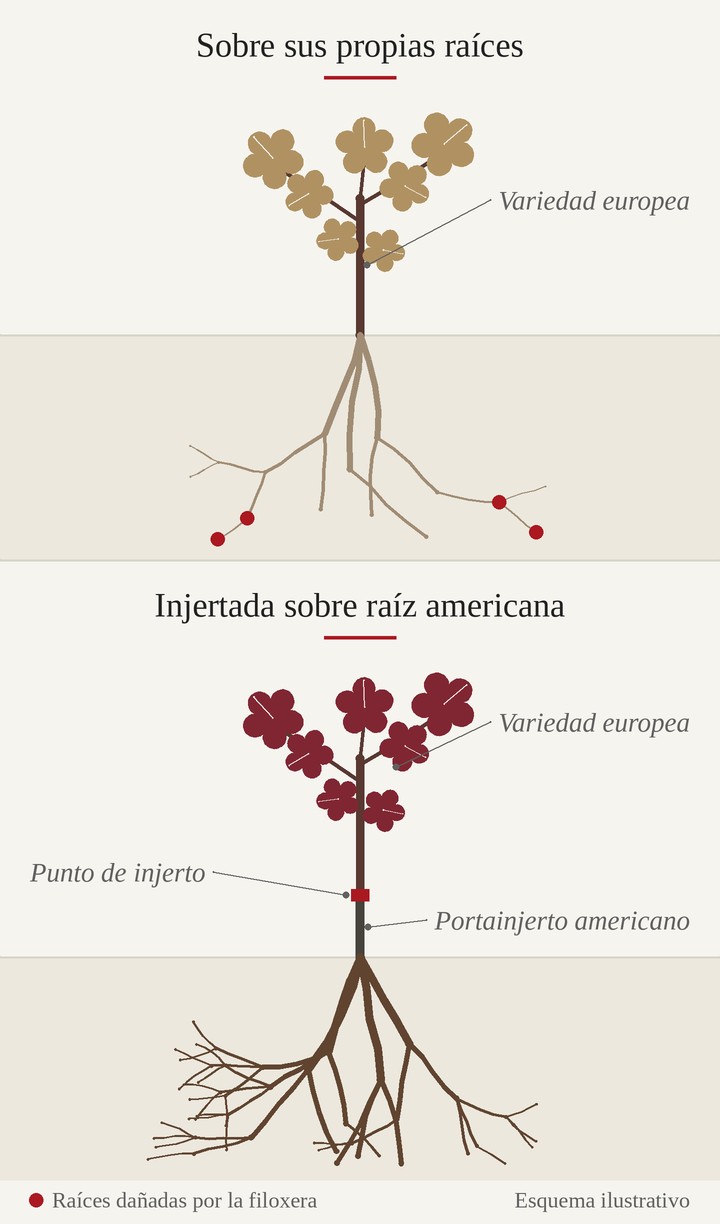
To understand what happened, we have to travel back to 19th-century Europe. At that time, the world of wine was very different from today. Vineyards had been growing on their own roots for generations, and nobody imagined that a minute insect, arriving from North America, would end up endangering a large part of Europe's winegrowing heritage.
That insect was phylloxera.
A minute insect with a devastating effect
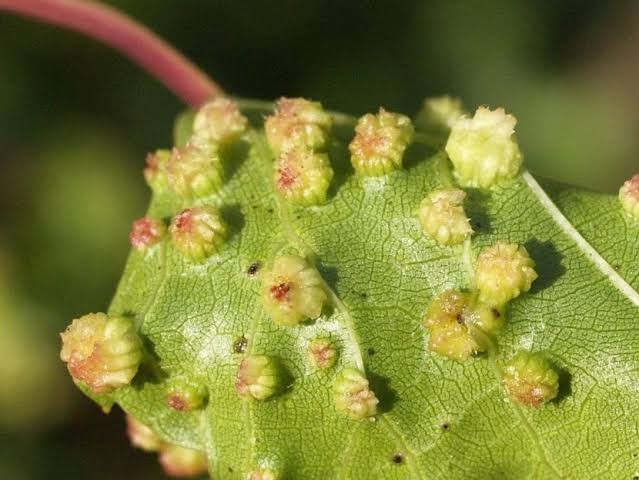
Its size can be deceiving. It mainly attacks the roots of the vine, where it causes lesions that make it hard for the plant to absorb water and nutrients until, in many cases, it ends up dying. By the time growers began to understand what was happening, the problem had already spread across many regions.
France was one of the hardest-hit countries. Its vineyards began to suffer huge losses and wine production fell considerably. But that crisis didn't only have negative consequences: it also triggered a movement of people, knowledge and wine that would end up transforming other European wine regions.