January 2010. An anonymous letter lands on the desk of Aubert de Villaine, co-director of Domaine de la Romanée-Conti. Inside is a threat straight out of a crime novel: either the estate pays one million euros, or someone will poison the vines of the most famous vineyard in the world.
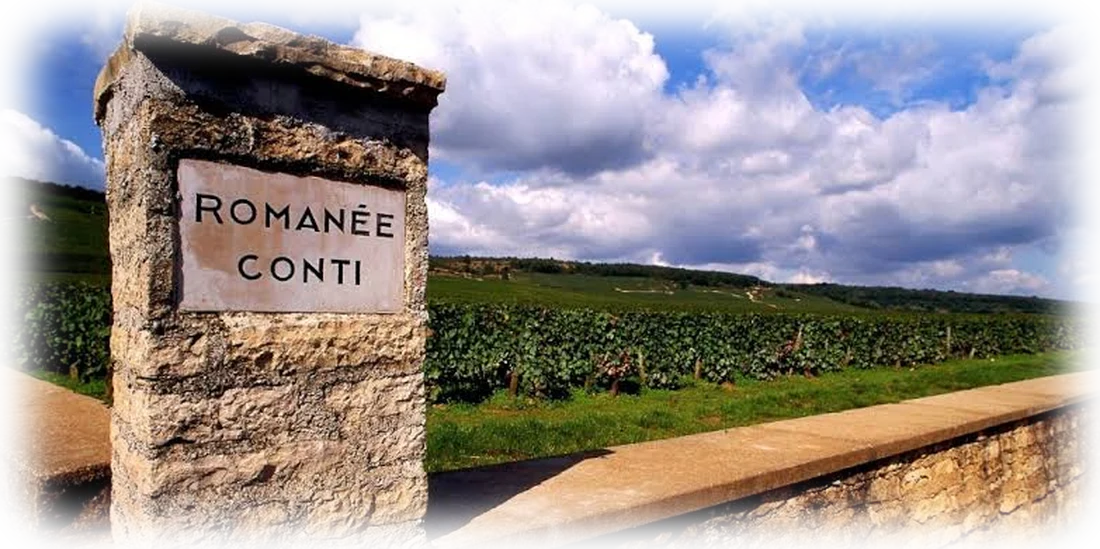
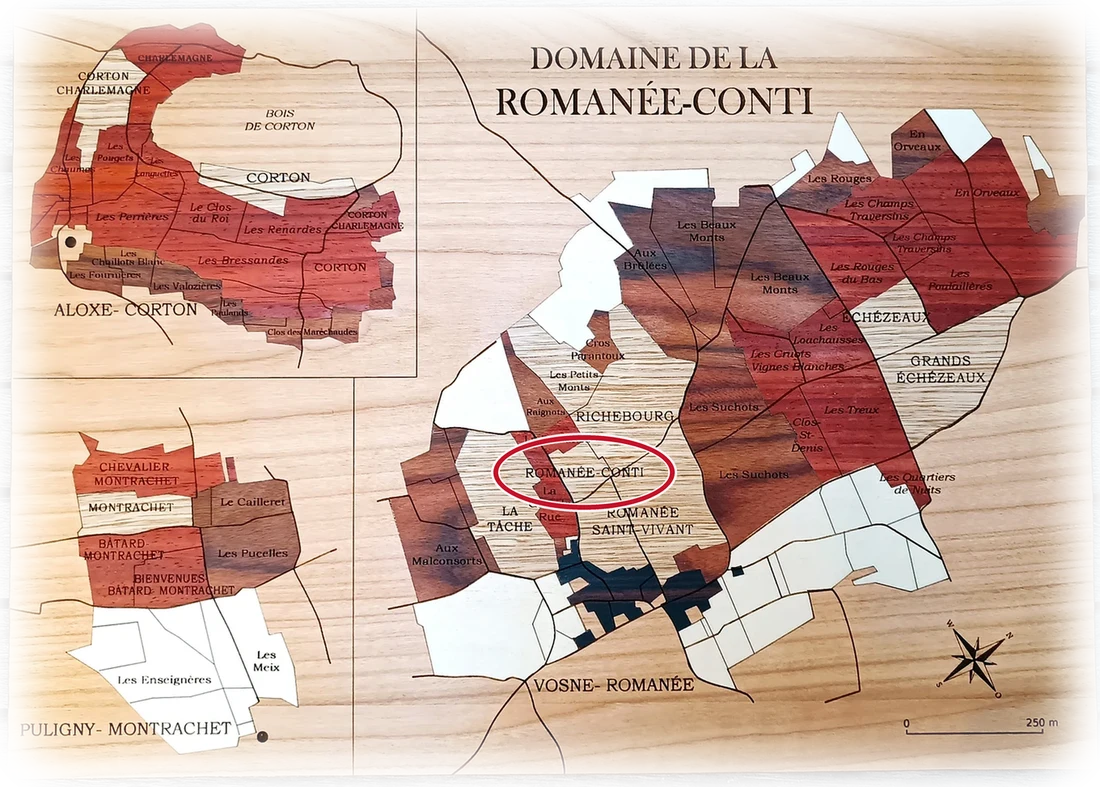
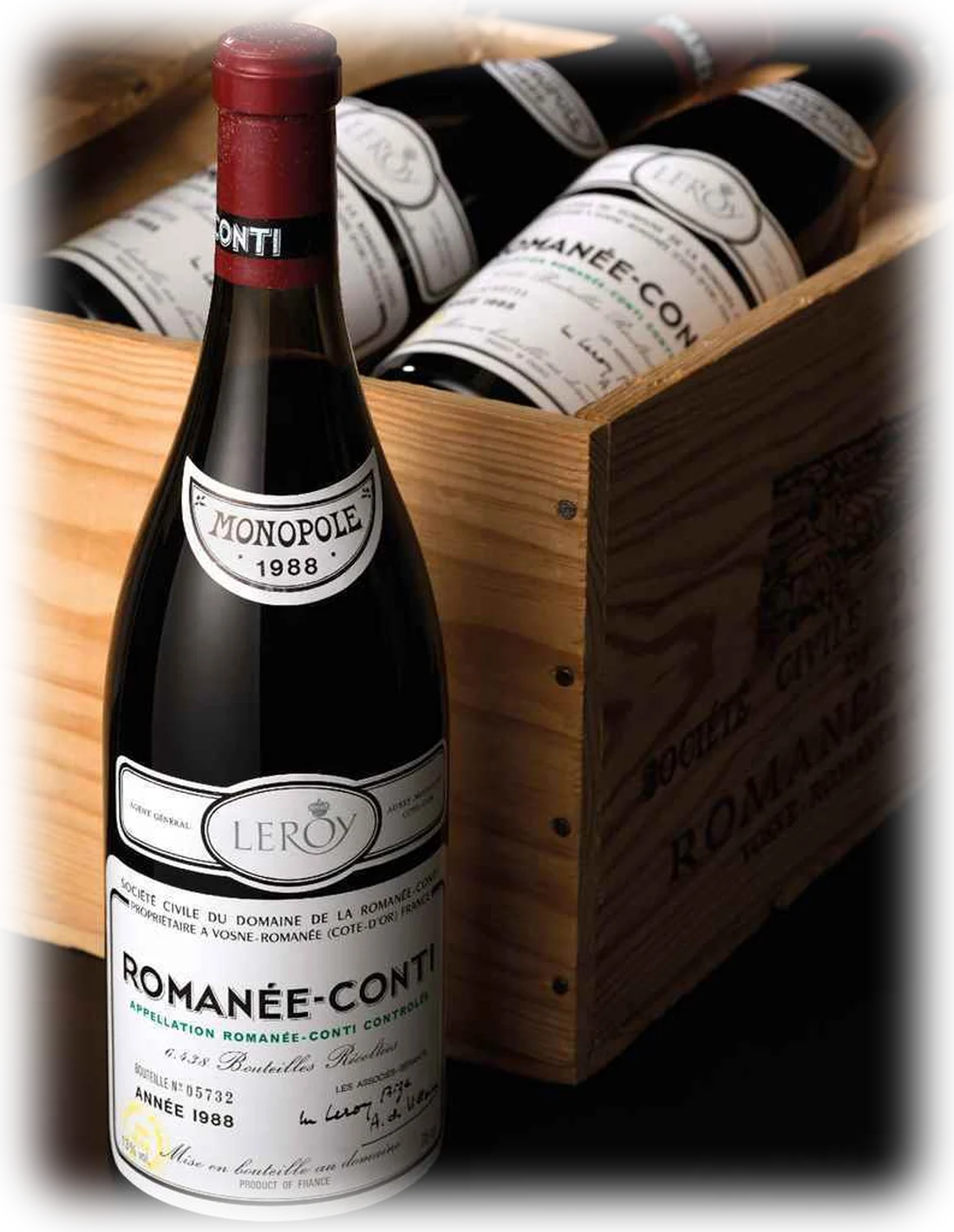
To understand what was at stake, you first need to know what we are talking about. Romanée-Conti is a plot of barely 1.8 hectares in Vosne-Romanée, in the heart of Burgundy. It owes its name to the Prince of Conti, who bought it in 1760 and a few years later added his title to the name of the vineyard. Today it is a monopole of Domaine de la Romanée-Conti and, in a normal year, it yields only a few thousand bottles. In 2018, a bottle of Romanée-Conti 1945 sold at auction for 558,000 dollars. There is no other piece of land like it on the planet.
And that is exactly why the threat was so wicked.
At first De Villaine thought it was a sick joke. Until the second letter arrived. This time it came with a tube holding maps of the vineyard, with two areas marked: one showed where the money was to be left; the other, where the blackmailer had already struck to prove he was serious. They went to check. It was true: two vines were dying. Next to each one was a small hole through which someone had poured a liquid, most likely weedkiller.
They had not kidnapped a person. They had kidnapped a terroir.
Think about it for a moment the way a sommelier would. A Romanée-Conti vine cannot be replaced with a trip to the nursery. Behind every plant lie decades of work, a selection nurtured over generations and a soil that exists nowhere else. Poison those roots and you do not destroy a harvest: you break a heritage of centuries. The blackmailer knew that very well, and that is exactly where he aimed.
De Villaine did not call the village gendarmerie. He spoke directly to a senior police official in Paris, and an operation was set up in the utmost secrecy. The first drop date was 4 February, but, following the investigators' instructions, a note asking for more time was left instead of the money. The blackmailer took the bait and set a new meeting: 22 February, in the cemetery of Chambolle-Musigny, the neighbouring village.
That day, an estate employee left a package of fake banknotes at the agreed spot. When the blackmailer came to collect it, together with his son, the officers, who had been hiding for hours, pounced. Game over.
And who was this man? His name was Jacques Soltys. He came from the Marne region and had a serious criminal record, with armed robberies and a kidnapping to his name. But the most unsettling part was something else: he had studied viticulture in Burgundy. He knew exactly where to strike. The investigation revealed that he had been preparing everything for a long time from a cabin hidden in the woods overlooking the vineyard. There, police found vineyard worker's clothes, a drill, syringes, bottles of weedkiller and a handgun.
Soltys died in prison before going to trial. His son, Cédric, was convicted as an accomplice and spent eight months behind bars. And the vines? Thanks to the speed of the operation, the damage was limited to those two plants. As De Villaine himself said, he was arrested before he could do any real harm.
It is said that, when it was all over, Aubert de Villaine opened a bottle of Romanée-Conti 1961 to celebrate. I think it is the best possible way to close this story: with wine triumphing over the threat.
Every time I explain what terroir is at one of my tastings, I think of this case. Because it shows better than any definition that the most valuable thing a great estate owns is not in the barrel room, but underground, in roots that have taken generations to say what they say. And if your curiosity is piqued, journalist Maximillian Potter tells the whole story in his book Shadows in the Vineyard (2014).
Because some wines can be bought. And some vineyards are, quite simply, priceless.
Iván Monreal Somm. Culture, history and passion for wine.
Back to the blog